
A functional movement assessment is a comprehensive evaluation of an individual's movement patterns and abilities. It involves a series of tests and exercises that assess various aspects of movement, such as mobility, stability, strength, and coordination. The purpose of a functional movement assessment is to identify any imbalances, weaknesses, or dysfunctions in the body's movement patterns, which can help guide the development of an individualized exercise program.
A functional movement assessment differs from a traditional movement assessment in several ways. While a traditional movement assessment may focus on specific movements or exercises, a functional movement assessment takes a more holistic approach by evaluating the body as a whole. It looks at how different parts of the body work together and how movement patterns may be influenced by factors such as muscle imbalances or joint restrictions. Additionally, a functional movement assessment often includes a variety of tests and exercises that assess different aspects of movement, whereas a traditional movement assessment may be more limited in scope.
Volume, frequency, and load all factor into a successful resistance training program. Many personal training clients ask how often they should work out, how intensely,… The post What Is the Optimal Training Volume and Intensity for Strength Gains? Is More Actually Less? appeared first on National Federation of Professional Trainers.

Posted by on 2024-02-22
As we step into 2024, the fitness industry landscape continues to evolve, and with it comes the question: How much are personal trainers making in… The post How Much Do Personal Trainers Make? A Breakdown of Recent Industry Reports and Trends appeared first on National Federation of Professional Trainers.
Posted by on 2024-02-12
Meet Stacey Mercure, a passionate fitness enthusiast with a remarkable journey spanning 21 years as a dedicated NFPT trainer. At the age of 53, she… The post Stacey Mercure–NFPT Personal Trainer Spotlight appeared first on National Federation of Professional Trainers.

Posted by on 2024-01-28
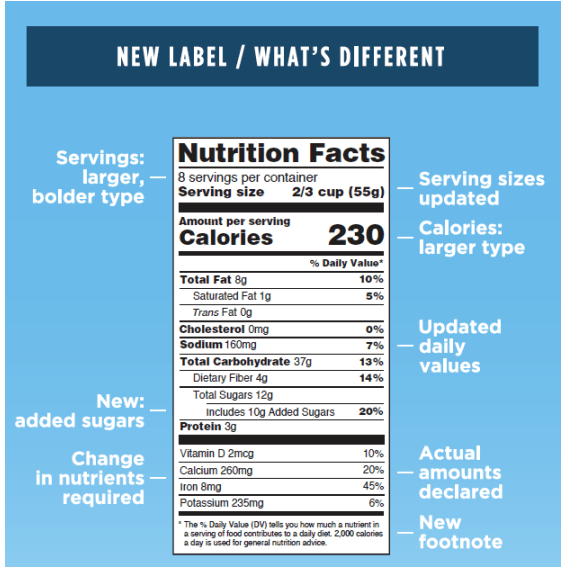
Nutrition plays a pivotal role in achieving fitness goals, and understanding how to read a nutrition facts panel is a crucial skill for anyone on… The post Reading Nutrition Labels: Guiding Personal Training Clients Through Recent Changes appeared first on National Federation of Professional Trainers.
Posted by on 2024-01-23
There are several benefits to conducting a functional movement assessment. Firstly, it can help identify any movement dysfunctions or imbalances that may be present in an individual's body. By identifying these issues, a functional movement assessment can help prevent injuries and improve overall movement efficiency. Additionally, a functional movement assessment can provide valuable information for developing an individualized exercise program that addresses specific weaknesses or imbalances. This can lead to more effective and targeted training, resulting in improved performance and reduced risk of injury.

A functional movement assessment can identify a range of movement dysfunctions. Some common dysfunctions that may be identified include poor posture, muscle imbalances, limited mobility in certain joints, and compensatory movement patterns. For example, an individual may have tight hip flexors and weak glute muscles, which can lead to improper movement patterns and increased risk of injury. By identifying these dysfunctions, a functional movement assessment can help guide the development of exercises and interventions to address these issues and improve overall movement quality.
A functional movement assessment can help prevent injuries by identifying any movement dysfunctions or imbalances that may increase the risk of injury. By addressing these issues through targeted exercises and interventions, individuals can improve their movement patterns and reduce the likelihood of experiencing pain or injury. For example, if an individual has limited mobility in their shoulders, a functional movement assessment can identify this issue and guide the development of exercises to improve shoulder mobility, reducing the risk of shoulder-related injuries during activities such as lifting or throwing.
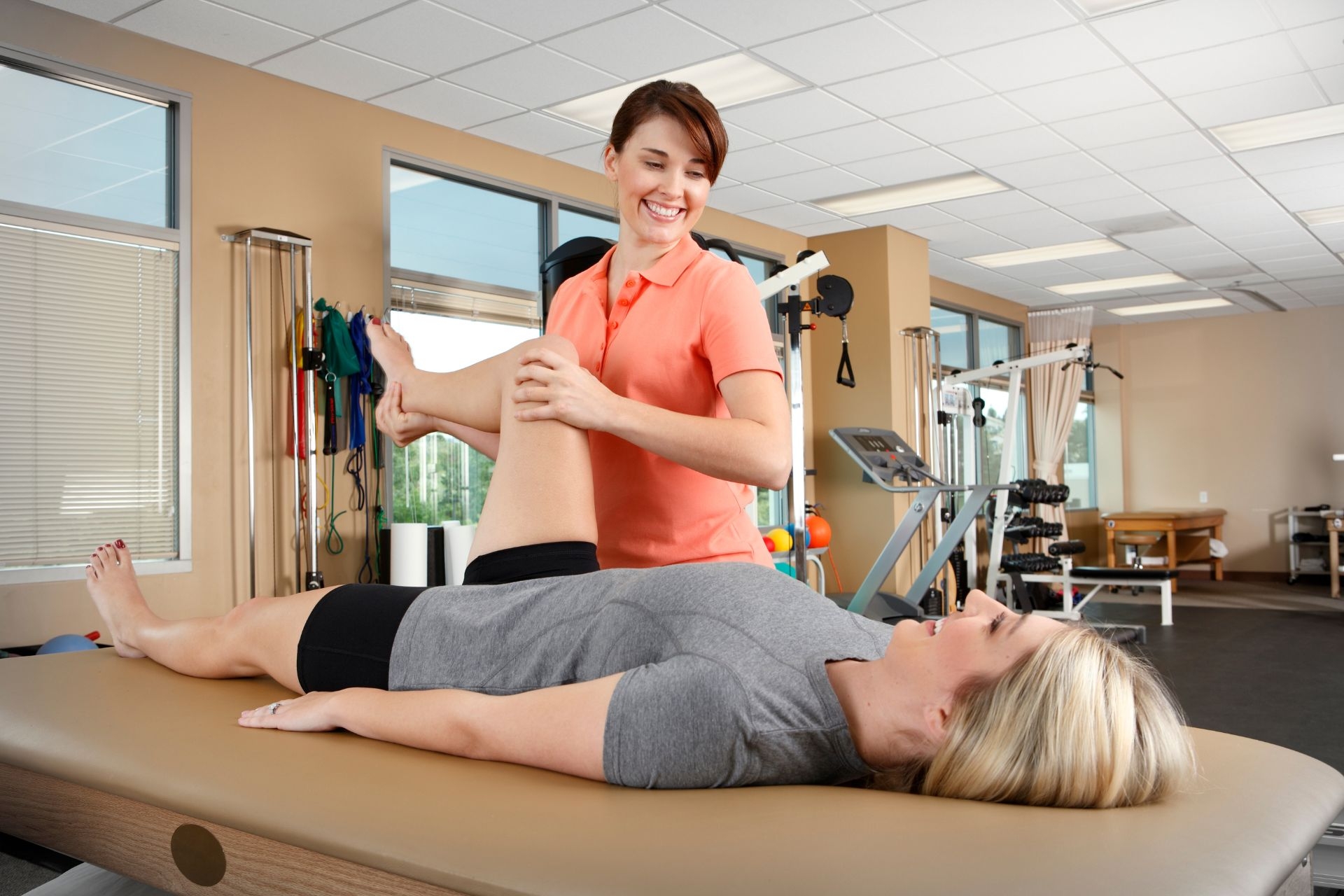
Key components of a functional movement assessment include assessing mobility, stability, strength, and coordination. Mobility tests may involve assessing the range of motion in various joints, such as the hips, shoulders, and spine. Stability tests may involve evaluating an individual's ability to maintain proper alignment and control during movements. Strength tests may assess an individual's ability to generate force and control movement patterns. Coordination tests may involve assessing an individual's ability to perform complex movements that require coordination between different parts of the body. By evaluating these components, a functional movement assessment can provide a comprehensive picture of an individual's movement abilities.
The results of a functional movement assessment can be used to develop an individualized exercise program that addresses any identified movement dysfunctions or imbalances. For example, if an individual has limited mobility in their hips, the exercise program may include specific stretches and mobility exercises to improve hip mobility. If an individual has weak core muscles, the program may include exercises to strengthen the core and improve stability. By tailoring the exercise program to address specific weaknesses or imbalances, individuals can improve their movement patterns and reduce the risk of injury. Additionally, the exercise program can be periodically reassessed and adjusted based on the individual's progress and any changes in their movement patterns.

Personal training can provide numerous benefits for individuals with specific genetic predispositions. By working with a personal trainer who is knowledgeable about genetics and exercise science, individuals can receive personalized exercise programs that are tailored to their specific genetic makeup. This can help optimize their training and maximize their results. Additionally, personal trainers can provide guidance on nutrition and lifestyle factors that may be influenced by genetic predispositions, such as dietary restrictions or specific supplementation needs. Furthermore, personal trainers can help individuals with genetic predispositions to certain health conditions, such as cardiovascular disease or diabetes, by designing exercise programs that target and mitigate these risks. Overall, personal training can be a valuable tool for individuals with specific genetic predispositions, helping them to achieve their fitness goals while taking into account their unique genetic factors.
Personal training can be tailored to accommodate individuals with specific fertility concerns by incorporating exercises and techniques that promote reproductive health and address the underlying issues. For instance, a personal trainer may focus on exercises that improve blood circulation to the reproductive organs, such as pelvic floor exercises and yoga poses that target the lower abdomen. They may also incorporate stress-reducing techniques, as stress can negatively impact fertility. Additionally, the personal trainer may provide guidance on nutrition and lifestyle factors that can support fertility, such as recommending a balanced diet rich in fertility-boosting nutrients and advising on the importance of maintaining a healthy weight. By taking into account the specific fertility concerns of individuals, personal trainers can create customized workout plans that aim to optimize reproductive health and increase the chances of conception.
Yes, personal training can be beneficial for individuals with food allergies or intolerances. A knowledgeable personal trainer who is well-versed in nutrition and dietary restrictions can provide guidance and support in developing a customized fitness and meal plan that takes into account the specific food allergies or intolerances. They can help individuals identify suitable alternatives and substitutions for allergenic foods, ensuring that their nutritional needs are met while avoiding any potential triggers. Additionally, a personal trainer can educate individuals on reading food labels, understanding ingredient lists, and making informed choices when dining out or grocery shopping. By working closely with a personal trainer, individuals with food allergies or intolerances can feel confident in their ability to navigate their dietary restrictions while still achieving their fitness goals.
Yes, there are personalized training programs available for dancers and performers. These programs are designed to cater to the specific needs and goals of each individual dancer or performer. They focus on enhancing their technical skills, improving their physical fitness, and developing their artistic expression. These programs may include a combination of dance classes, strength and conditioning exercises, flexibility training, and performance coaching. Additionally, personalized training programs may also incorporate elements such as nutrition guidance, injury prevention strategies, and mental preparation techniques. By tailoring the training program to the unique requirements of each dancer or performer, these personalized programs can help them reach their full potential and excel in their chosen field.